Car Breaks Down Far From Home? Here’s Exactly What to Do


Few things trigger panic faster than realizing your car breaks down far from home. You might be traveling for vacation, heading to a business meeting, or driving through unfamiliar territory late at night when the car suddenly loses power, overheats, or refuses to start. It’s stressful, but it doesn’t have to spiral into chaos. Knowing exactly what to do when your car breaks down far from home can help keep you safe, protect your vehicle, and get you moving again faster.
This guide walks you through practical, real-world steps based on roadside experience and industry best practices to help you handle a breakdown away from home with confidence.
Car Breaks Down Far From Home: First Steps for Safety
When a car breaks down far from home, your first priority is safety for you, your passengers, and other drivers. It matters what you do in the initial minutes.
Pull over safely
-
Slow down gradually and signal early.
-
Move as far off the road as possible. (shoulder, rest area, or parking lot)
-
Avoid curves, bridges, and blind hills if you can.
Make yourself visible
-
Turn on hazard lights immediately.
-
If you have them, place reflective triangles or flares 100–300 feet behind your vehicle.
-
Keep headlights on at night.
Stay or exit the vehicle?
-
Stay inside if you’re on a busy highway, in bad weather, or visibility is poor.
-
Exit the vehicle only if you’re in a dangerous spot. (fire risk, flooding, or traffic exposure)
-
Always move away from traffic if you exit.
These basics drastically reduce the risk of secondary accidents, which are often more dangerous than the initial breakdown.
Quick Troubleshooting You Can Do Safely
If your car broke down while traveling, there may be a simple explanation, but only attempt checks that are safe and within your skill level.
Simple things to check
-
Fuel level: Faulty gauges or unfamiliar rental cars can mislead
-
Battery: Dead battery signs include clicking or no power
-
Overheating: Steam or rising temperature gauge? Turn off the engine immediately
-
Flat tire: Obvious deflation or warning lights
What not to do
-
Never open a hot radiator
-
Don’t crawl under the vehicle near traffic
-
Don’t attempt complex repairs roadside
If you can’t quickly confirm and fix the issue, it’s time to call for help.
Calling for Help When Your Car Breaks Down Far From Home
Once you’ve confirmed the issue isn’t easily fixable, contacting the right help is key.
Roadside assistance
This should be your first call if you have coverage through:
-
Auto insurance
-
Auto clubs
-
Credit card benefits
They can dispatch towing services, mobile mechanics, fuel delivery, or tire changes.
Local towing services
If you don’t have roadside assistance:
-
Search for “tow truck near me” using your phone’s location
-
Look for companies with recent reviews
-
Ask for an estimated arrival time and cost upfront
What to tell them
Have this ready:
-
Your exact location (use GPS pin or mile marker)
-
Vehicle make, model, and year
-
Symptoms (e.g., “engine overheating,” “won’t start”)
-
Number of passengers
Clear information speeds up rescue and prevents unnecessary costs.
Repair Locally or Get the Car Home?
When your car breaks down far from home, deciding what happens next often feels overwhelming. The right choice depends on cost, timelines, and peace of mind.
Repairing locally
Best when:
-
The repair is minor
-
Parts are readily available
-
You can spare a day or two
Downside: You may pay more without your trusted mechanic.
Towing back home
Best when:
-
Repair costs are high
-
You’re within reasonable towing distance
Long-distance towing, however, can get expensive quickly.
When auto shipping makes sense
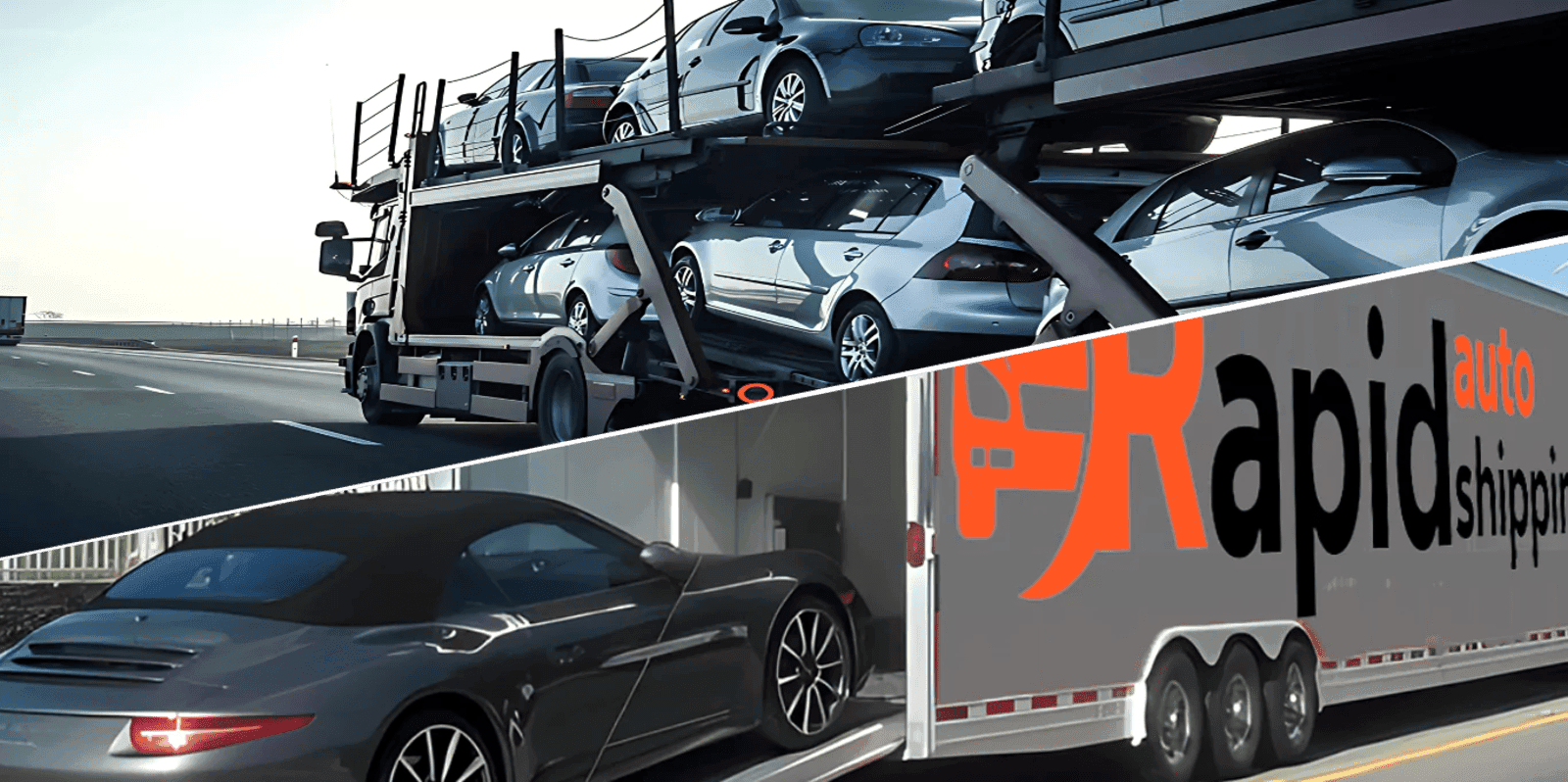
In many situations, an auto shipping service is the smartest option, especially for long distances. Shipping your car home allows you to:
-
Avoid excessive towing fees
-
Get repairs done by your trusted mechanic
-
Continue your travel plans without delays
Tip: Get 2–3 quotes, confirm insurance coverage, and document your vehicle’s condition before pickup.
Getting Yourself Home While the Car Is Disabled
Don’t forget you also need a plan for yourself.
Options include:
-
Rental car (check insurance or breakdown coverage first)
-
Train or flight for longer distances
-
Hotel stay if repairs are quick
Many roadside assistance plans include trip interruption benefits, so always ask.
Emergency Kit Every Traveler Should Carry
A breakdown away from home is much easier with the right tools on hand.
Must-have items
-
Jumper cables or battery jumper
-
Flashlight with extra batteries
-
Reflective triangles or flares
-
Tire inflator and sealant
-
Phone charger/power bank
-
Bottled water and snacks
Helpful apps
-
Maps with offline mode
-
Roadside assistance apps
-
Weather alerts
A little preparation goes a long way toward safety and peace of mind.
Frequently Asked Questions
What should I do first if my car breaks down far from home?
Pull over safely, turn on hazard lights, ensure visibility, and assess immediate danger before calling for help.
Is it safe to stay in my car overnight?
In most cases, yes, if you’re safely parked and visible. Choose illuminated areas and lock your doors.
How much does towing usually cost?
Short-distance towing often ranges from $75–$150, with additional per-mile fees depending on distance and region.
Can I drive my car after it cools down from overheating?
Only if instructed by a mechanic. Driving an overheated engine can cause severe damage.
Final Thoughts: Stay Calm, Stay Safe, Have a Plan
When a car breaks down far from home, panic is natural, but preparation and clear steps make all the difference. Focus on safety first, communicate clearly when calling for help, and choose the recovery option that fits your situation best. Whether that means local repairs, towing, or auto shipping your vehicle home, having a plan protects your time, money, and well-being.
Knowing what to do when your car breaks down far from home turns a stressful surprise into a manageable setback, and that confidence is your best travel companion.