Can Cars Be Hacked in 2025? What Every Driver Needs to Know


In 2025, the question “Can cars be hacked?” is no longer hypothetical; it’s a pressing reality. Modern cars are no longer just driving machines; they are smart. As vehicles become more connected, automated, and reliant on software, driving becomes safer and more convenient than ever before. But with this wave of innovation comes the harsh reality that vehicles also become more vulnerable to cyberattacks. From remote hijacking to data theft, the landscape of vehicle hacking in 2025 is evolving rapidly, and drivers must stay informed to protect themselves and their vehicles. Car cybersecurity is now as essential as seatbelts and airbags.
The Rise of Vehicle Hacking in 2025
According to recent reports, automotive cyberattacks surged by nearly 50% in early 2025, with over 148 publicly disclosed incidents in the first quarter alone. These attacks range from ransomware targeting manufacturers to compromised electric vehicle (EV) chargers and unauthorized access to vehicle systems. If you fathom all this talk of car hacking is just hype, think again. Several high-profile incidents have shown just how real the threat is:
In 2015, security researchers remotely hacked a Jeep Cherokee, taking control of the brakes and transmission.
In 2019, Tesla paid out large bounties to hackers who exposed critical vulnerabilities in its Model S.
In 2022, white-hat hackers demonstrated that they could unlock and start certain cars just by exploiting poorly secured keyless entry systems.
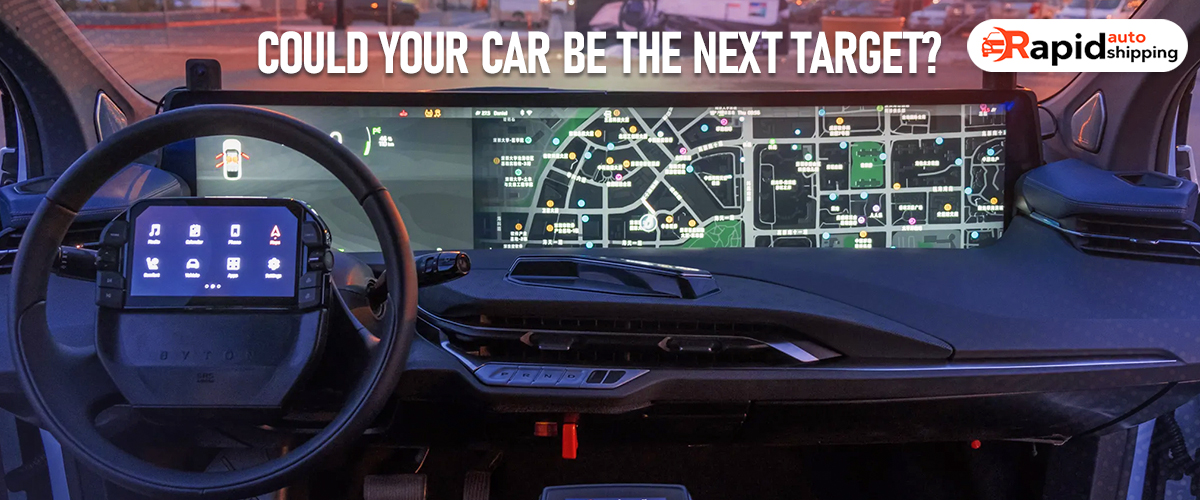
These are just a few examples. With the rise of electric vehicles, autonomous driving, and connected infrastructure, the potential attack surface is massive. Modern cars are computers on wheels. While these technologies offer convenience and innovation, they also introduce vulnerabilities that cybercriminals are eager to exploit.
Why Modern Cars Are Vulnerable
-
Vehicles rely on dozens of ECUs, wireless protocols, and cloud services.
-
Features like GPS, infotainment, remote start, and autonomous driving expand the attack surface.
-
Convenience comes at the cost of increased exposure to cyber threats.
How Can Cars Be Hacked?
The attack surface for hackers is expanding as more advanced, internet-connected technologies are incorporated, creating new opportunities for malicious actors.. Hackers can infiltrate vehicles in several ways:
Common Vehicle Cyberattack Methods
-
Remote Access Attacks: Through Wi-Fi, Bluetooth, or cellular connections, attackers can take control of vehicle functions such as braking, steering, or acceleration.
-
Infotainment System Exploits: Malicious code can be injected via USB ports or compromised apps, allowing access to internal networks.
-
Keyless Entry Manipulation: Signal amplification techniques can trick vehicles into unlocking or starting without the actual key fob.
-
EV Charger Vulnerabilities: Public charging stations have become a new target, with attackers using them to access vehicle data or inject malware.
-
Ransomware on OEMs: Original Equipment Manufacturers (OEMs) are increasingly targeted, disrupting production and compromising customer data.
What Is Car Cybersecurity?
Car cybersecurity protects a vehicle’s digital infrastructure, including ECUs, communication channels, software, and data, from cyber threats, unauthorized intrusions, and tampering.
Why It’s Critical in 2025
-
Vehicles now contain up to 150 ECUs and millions of lines of code that govern everything from engine control and infotainment to advanced driver-assistance systems (ADAS) and autonomous driving functions.
-
Connected features like Bluetooth, Wi-Fi, and OTA updates introduce vulnerabilities.
-
Cybersecurity systems detect, block, and respond to threats before damage occurs.
Car cybersecurity works to close these digital loopholes, detect suspicious activity, and take action before any harm can occur.
Why Car Cybersecurity Matters More Than Ever
Car cybersecurity is no longer just a concern for manufacturers; it’s a critical issue for every driver.
Risks of a Hacked Vehicle
-
Loss of control: Hackers can manipulate driving functions, posing serious safety risks.
-
Data breaches: Personal information stored in navigation systems or connected apps can be stolen.
-
Financial loss: Repairing compromised systems or dealing with identity theft can be costly.
-
Privacy invasion: Location tracking and voice recordings can be accessed without consent.
As the number of connected vehicles grows, so does the attack surface. By 2025, nearly every new car sold will include internet connectivity, making cybersecurity a top priority for automakers and consumers alike.
What Drivers Can Do to Stay Safe
While manufacturers are investing heavily in secure software and over-the-air updates, drivers also play a vital role in protecting their vehicles.

6 Ways to Protect Your Vehicle and stay ahead of the curve:
1. Keep Software Updated
Always install the latest firmware and software updates provided by your vehicle’s manufacturer. These patches often fix known vulnerabilities.
2. Limit Connectivity
Disable unused wireless features, such as Bluetooth or Wi-Fi, when not in use. Avoid connecting to public networks unless necessary.
3. Be Cautious with Third-Party Apps
Only use trusted apps and avoid plugging unknown USB devices into your car’s infotainment system.
4. Secure Your Key Fob
Use signal-blocking pouches (Faraday bags) to prevent relay attacks on keyless entry systems.
5. Monitor for Unusual Behavior
If your car behaves erratically, such as unlocking itself or displaying strange messages, contact your dealership immediately.
6. Use Strong Passwords
If your vehicle or its app requires a password, choose a strong, unique one and enable two-factor authentication if available.
Looking Ahead: The Future of Car Cybersecurity
The automotive industry is responding to these threats with innovation and advanced solutions:
Emerging Solutions
-
AI-powered threat detection: Machine learning algorithms monitor vehicle behavior for signs of intrusion.
-
Blockchain-based authentication: Decentralized systems help verify software integrity.
-
Cybersecurity regulations: Governments are introducing standards to ensure vehicles meet minimum security requirements.
Still, the pace of innovation means new vulnerabilities will continue to emerge. Staying informed and proactive is the best defense.
Final Thoughts
In 2025, the answer to “Can cars be hacked?” is a resounding yes, but with awareness and action, drivers can stay one step ahead. Whether you're behind the wheel or shipping your vehicle across the country, car cybersecurity should be part of your journey.
So, next time, you settle into the driver’s seat and set your destination, remember it’s not just about horsepower anymore. It’s about the power to stay safe, secure, and protected from threats we can’t see but must always guard against.
The journey is digital now; let’s ensure it’s a secure one.
Feb 2025
"I recently used Rapid Auto Shipping, and I am beyond impressed with their service! From the moment I requested a quote to the final delivery, everything was smooth and hassle-free."




Some Of Our Recent Blogs

Car shipping insurance is a coverage that safeguards your car against damages that could take place during transportation.
Rapid Auto Shipping is a reliable and affordable way to ship your car from New York to Florida.
As we approach 2025, the auto shipping sector is being revolutionized by technological innovation.