The Future of Gas Cars: Will They Survive the EV Takeover?


The future of gas cars has become one of the most debated topics in the auto industry. With electric vehicles (EVs) accelerating in popularity and governments worldwide pushing for cleaner transportation, many drivers are asking the same question: Will gas cars survive the EV takeover, or are we heading toward a gasoline-free future?
The answer isn’t as simple as yes or no. While the EV revolution is real, gas-powered cars still dominate U.S. roads and carry cultural, economic, and practical importance. To understand what lies ahead, we need to look at the forces shaping the industry, the obstacles EVs face, and how gas cars might adapt in a changing transportation landscape.
The Future of Gas Cars: A Shifting Landscape
In 2024, EVs made up nearly 8% of new car sales in the United States, a number projected to rise to 40–50% by 2030, according to BloombergNEF. Automakers like GM, Ford, and Stellantis have committed billions to electrification, while Tesla continues to lead the EV market.
Meanwhile, several states, including California, New York, and Massachusetts, have passed rules to ban new gas-powered car sales by 2035. Globally, countries like the U.K., France, and Canada have set similar targets.
Yet despite these changes, gas cars remain the overwhelming majority. Out of over 280 million vehicles on U.S. roads today, more than 250 million run on gasoline. That dominance won’t disappear overnight, raising the key question: can gas cars survive alongside EVs for decades to come?
Why Gas Cars Still Have a Future (At Least for Now)
Despite the momentum toward electrification, several factors ensure that gas cars won’t vanish quickly:
1. Affordability and Accessibility
-
EV prices have dropped, but the average EV cost in 2024 was around $53,000, compared to about $48,000 for gas cars.
-
While federal tax credits help, many budget-conscious families, especially in rural and working-class communities, still find gas cars more attainable.
2. Infrastructure Challenges
-
The U.S. has over 145,000 gas stations but only about 65,000 public charging locations.
-
Long-distance travelers and rural drivers often can’t rely on consistent charging access, making gasoline more practical.
3. Consumer Habits
-
For many, fueling up in minutes beats waiting 30–45 minutes for an EV charge.
-
Pickup trucks and SUVs, which dominate American sales, are still more affordable and widely available in gas versions than electric ones.
These realities suggest that while EV adoption will rise, gas cars will continue to serve millions of Americans for years, particularly outside major cities.
The Push Toward EVs and the Decline of Gas Cars
Still, there’s no denying that the EV takeover is accelerating:
-
Government Policies: Stricter emissions rules are pressuring automakers to reduce reliance on internal combustion engines (ICE).
-
Automaker Strategies: GM has pledged to go all-electric by 2035, while Ford is ramping up production of its F-150 Lightning and Mustang Mach-E. Even luxury brands like Bentley and Rolls-Royce have set EV deadlines.
-
Global Phase-Outs: More than 20 countries have announced timelines to end sales of new ICE cars between 2030 and 2040.
The message is clear: EVs are no longer a niche product; they’re the centerpiece of future automotive strategy.
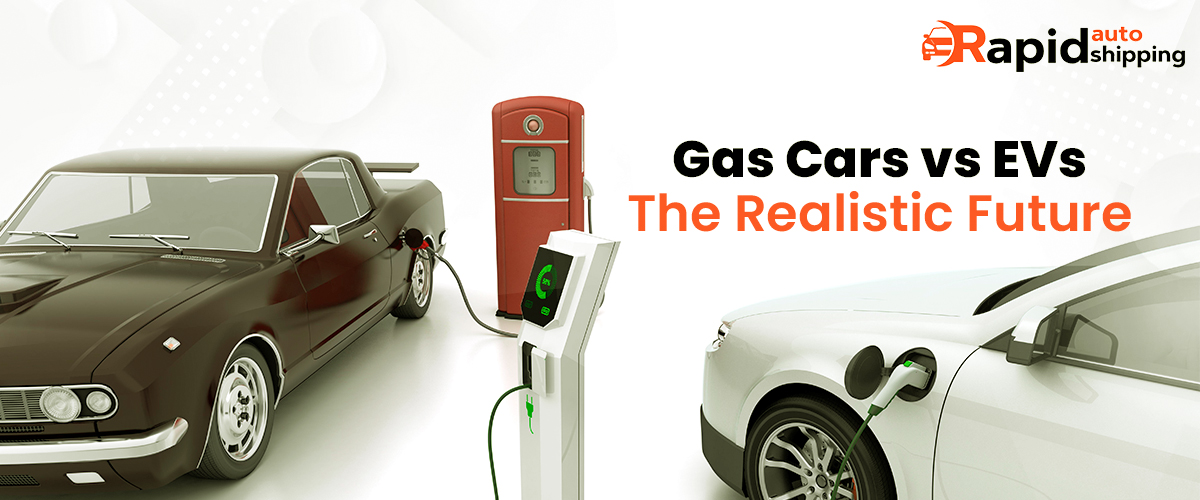
Gas Cars vs EVs: The Realistic Future
Rather than a sudden switch, the industry will likely see a long period of coexistence:
-
Hybrids as a Bridge: Hybrid and plug-in hybrid vehicles will remain popular for drivers seeking better fuel economy without relying entirely on charging infrastructure.
-
Regional Differences: Urban centers and coastal states may adopt EVs faster, while rural regions hold onto gas-powered vehicles longer.
-
Used Car Market: Even after new gas car sales decline, used ICE vehicles will remain widely available for at least another 20–30 years.
This suggests a future where EVs dominate new car sales, but gas cars remain a significant presence on American roads well into the 2040s.
Are Gas Cars Going Away Completely?
The short answer: no, at least not anytime soon. While EV takeover momentum is strong, several factors guarantee gas cars a lingering presence:
-
Timelines Are Gradual: Even if new gas car sales stop in 2035, millions of gasoline vehicles will still be on the road for a decade or more afterward. Cars in the U.S. typically stay in use for 12–15 years before retirement.
-
Niche and Enthusiast Markets: Classic cars, muscle cars, and performance vehicles are unlikely to disappear. Collectors and hobbyists will preserve them, much like vintage cars today.
-
Innovation in Fuels: Companies are researching synthetic and biofuels that could power existing ICE vehicles with fewer emissions, potentially extending their relevance.
So while gas cars may lose dominance, they won’t vanish entirely.
What Consumers Should Expect
For everyday drivers in the U.S., here’s what the transition could mean:
-
Rising Costs for Gas Cars: Fuel prices and long-term maintenance may increase as fewer new gas cars enter the market. Insurance could also shift as EVs become the norm.
-
Incentives for EV Buyers: Federal tax credits of up to $7,500 and state-level incentives make EVs increasingly attractive. Some states even offer rebates for installing home charging stations.
-
Resale Value Concerns: As EV adoption rises, older gas cars could depreciate faster. Buyers may want to consider whether their next car will hold long-term value.
-
More EV Options: By 2027, experts estimate there will be over 150 EV models available in the U.S., from compact sedans to full-size pickups, giving consumers more choices than ever before.
For many, the most brilliant move in the next five years may be exploring hybrid options or considering an EV if charging access is feasible.
Conclusion: The Future of Gas Cars in an EV World
The future of gas cars isn’t about an abrupt ending; it’s about a gradual transformation. While EV adoption is accelerating thanks to government policies, automaker commitments, and consumer demand, gas cars still have staying power.
So, will gas cars survive the EV takeover? Yes, but in a different role. They’ll likely become less dominant but won’t disappear entirely, especially in rural areas, niche markets, and among enthusiasts.
For American drivers, the key is preparation. Whether you’re planning your next car purchase or simply curious about the future of transportation, understanding this transition will help you make smarter decisions in the years ahead.
The EV takeover may be inevitable, but gas cars will remain part of the story, just no longer the star of the show.
Feb 2025
"I recently used Rapid Auto Shipping, and I am beyond impressed with their service! From the moment I requested a quote to the final delivery, everything was smooth and hassle-free."




Some Of Our Recent Blogs

Car shipping insurance is a coverage that safeguards your car against damages that could take place during transportation.
Rapid Auto Shipping is a reliable and affordable way to ship your car from New York to Florida.
As we approach 2025, the auto shipping sector is being revolutionized by technological innovation.