The Rise of DIY Car Maintenance: Is It Actually Worth It?


In the past decade, the internet has turned many car owners into weekend mechanics. From YouTube tutorials to TikTok hacks, DIY car maintenance has never been more accessible. But with rising costs at the repair shop and the temptation to save money at home, many drivers are asking the same question: Is DIY car maintenance really worth it?
Let’s break down the benefits, risks, and innovative strategies so you can decide if turning the wrench yourself is the right move or if calling in a pro is the smarter (and safer) choice.
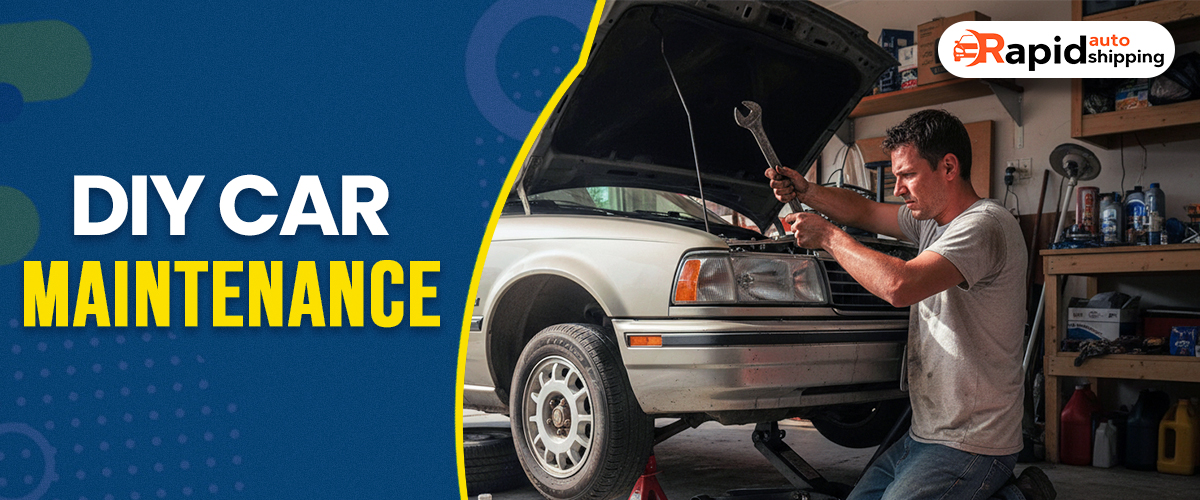
Why DIY Car Maintenance Is Rising
There’s no denying that more drivers are rolling up their sleeves. The trend isn’t random; several factors fuel it:
-
Rising mechanic labor rates: According to AAA, the average cost of auto repair in the U.S. has climbed steadily, with hourly labor costs at many shops reaching $100–$150.
-
Access to resources: With step-by-step videos and online forums, even beginners can learn how to swap brake pads or change a battery.
-
A sense of empowerment: For many, working on their car is about more than saving money; it’s about taking ownership and building confidence.
DIY car repair at home is no longer just for gearheads. It has become a way for everyday car owners to combat rising costs while acquiring valuable skills.
The Benefits of DIY Car Maintenance
So, what’s driving this movement? The benefits are real, especially when done correctly.
1. Cost Savings
The most obvious reason people turn to DIY is the desire to save money. Simple jobs, such as oil changes, filter replacements, or wiper blade swaps, can cost double or triple the price at a shop. By handling them yourself, you pay only for parts, not labor.
2. Convenience
Forget waiting for an appointment or losing half a Saturday in the shop lobby. When you do it yourself, you can change your oil at 8 p.m. in your driveway or rotate tires on a Sunday morning.
3. Learning & Empowerment
Working on your car builds confidence and a deeper understanding of how your vehicle runs. That knowledge comes in handy if you ever break down on the road or need to discuss repairs with a mechanic.
4. Immediate Solutions
Need new brake pads before work on Monday? With the right tools, you can often resolve minor issues the same day, rather than waiting days for an appointment.
When it comes to routine car repairs at home, DIY car maintenance offers practical advantages for U.S. drivers.
The Drawbacks and Risks of DIY Car Repairs
Of course, DIY isn’t a perfect solution. While it can save money, it comes with potential risks:
1. Safety Concerns
Improperly performed repairs can compromise the safety of both you and others. A loose brake caliper or incorrectly torqued lug nuts can lead to accidents.
2. Hidden Costs
DIY may look cheaper up front, but specialized tools can be pricey. If a repair goes wrong, you could end up paying more to fix mistakes than you would have at a shop.
3. Warranty Issues
Some warranties require service at certified shops. Doing the job yourself may void coverage on newer vehicles.
4. Complexity of Modern Cars
Today’s vehicles, especially hybrids and EVs, come with advanced computer systems. Without professional diagnostics, pinpointing problems can be nearly impossible.
While DIY car repair makes sense for simple fixes, some jobs should absolutely be left to professionals.
DIY vs. Professional Car Repair: When to Choose Which
The real secret is knowing which jobs are safe for DIY and which are best left to the experts.
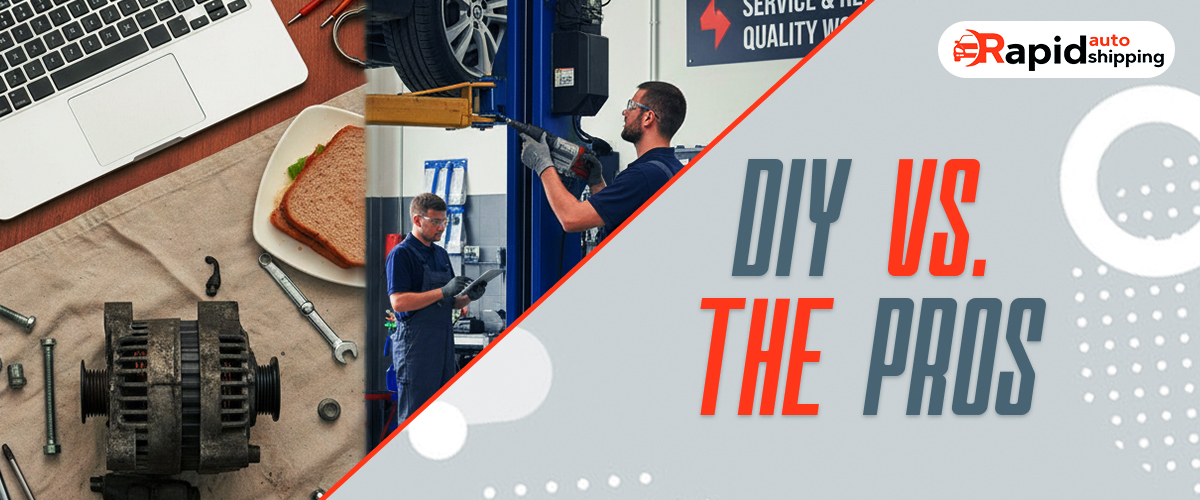
Best DIY Car Maintenance Tasks
-
Oil and filter changes
-
Wiper blade replacement
-
Battery swaps
-
Air filter changes
-
Tire rotations
Jobs Best Left to Professionals
-
Engine or transmission work
-
Electrical diagnostics
-
Suspension overhauls
-
Airbag or safety system repairs
A good rule of thumb: If it involves complex electronics, high safety risks, or specialized tools, you’re better off at the shop.
The Bigger Picture: Car Ownership Costs & Alternatives
DIY maintenance isn’t just about the repair itself; it’s part of the bigger financial picture of owning a car.
-
Long-term savings: Tackling small jobs yourself can save hundreds each year.
-
Vehicle lifespan: Proper maintenance (whether DIY or professional) keeps cars running longer and protects resale value.
-
Travel considerations: Sometimes, the smartest decision isn’t about repairs at all. For example, when relocating cross-country, many drivers choose auto shipping services instead of driving. Why? Long-distance trips can add thousands of miles, accelerate wear and tear, and increase the risk of needing costly repairs along the way.
Factoring in maintenance, time, and convenience helps you make smarter decisions about your car’s overall care.
Tips for Safer DIY Car Maintenance
If you’re considering getting hands-on with your car, keep these safety and efficiency tips in mind:
-
Start small: Begin with easy tasks, such as wiper changes, before tackling more complex repairs.
-
Invest in quality tools: A reliable jack, torque wrench, and socket set are essentials.
-
Follow trusted sources: Stick to manufacturer manuals or reputable auto websites for step-by-step guidance.
-
Prioritize safety: Always secure your vehicle properly before working underneath it.
-
Know your limits: If something feels over your head, don’t push it. Safety and reliability are worth more than saving a few dollars.
With the right approach, DIY can be both rewarding and risk-free.
Final Thoughts: Is DIY Car Maintenance Worth It?
So, is DIY car maintenance worth it? The answer depends on your goals. For many U.S. drivers, DIY car repair at home is a smart way to cut costs, learn valuable skills, and gain more control over vehicle upkeep. But it’s not without risks, especially when jobs require professional expertise or affect safety systems.
The most practical approach? Handle DIY maintenance for minor, routine repairs while trusting professionals with complex or high-stakes fixes. And don’t forget, sometimes, the smartest move to protect your car isn’t about repairs at all. Whether you’re relocating or avoiding unnecessary miles, auto shipping services can save wear and tear while keeping your vehicle in top shape.
At the end of the day, it’s about balance: Do what you can safely, and know when to call in the experts. That combination keeps your car reliable, your wallet happy, and your peace of mind intact.
Feb 2025
"I recently used Rapid Auto Shipping, and I am beyond impressed with their service! From the moment I requested a quote to the final delivery, everything was smooth and hassle-free."




Some Of Our Recent Blogs

Car shipping insurance is a coverage that safeguards your car against damages that could take place during transportation.

Rapid Auto Shipping is a reliable and affordable way to ship your car from New York to Florida.

As we approach 2025, the auto shipping sector is being revolutionized by technological innovation.