How Subscription-Based Car Ownership Is Gaining Traction in 2025


Car ownership is evolving rapidly. In 2025, subscription-based car ownership is emerging as a popular alternative to traditional buying or leasing, offering consumers more flexibility, convenience, and financial control. Whether you're an urban commuter, a frequent traveler, or someone who simply wants to avoid long-term commitments, car subscription services in 2025 provide an exciting new way to stay mobile, without the strings attached.
What Is Subscription-Based Car Ownership?
Subscription-based car ownership is a model where users pay a monthly fee to acquire a vehicle, often including insurance, maintenance, roadside assistance, and registration. Unlike leasing or financing, there's no long-term contract. You can usually switch cars, cancel at any time, and choose from a fleet of vehicles tailored to your lifestyle needs.
Think of it like Netflix, but for cars.
With services like Hyundai’s Evolve+ and Volvo’s Care by Volvo, as well as other emerging platforms, this mobility trend is gaining significant momentum in the U.S., particularly among Gen Z and Millennial consumers. They value flexible car ownership over being tied down to a depreciating asset.
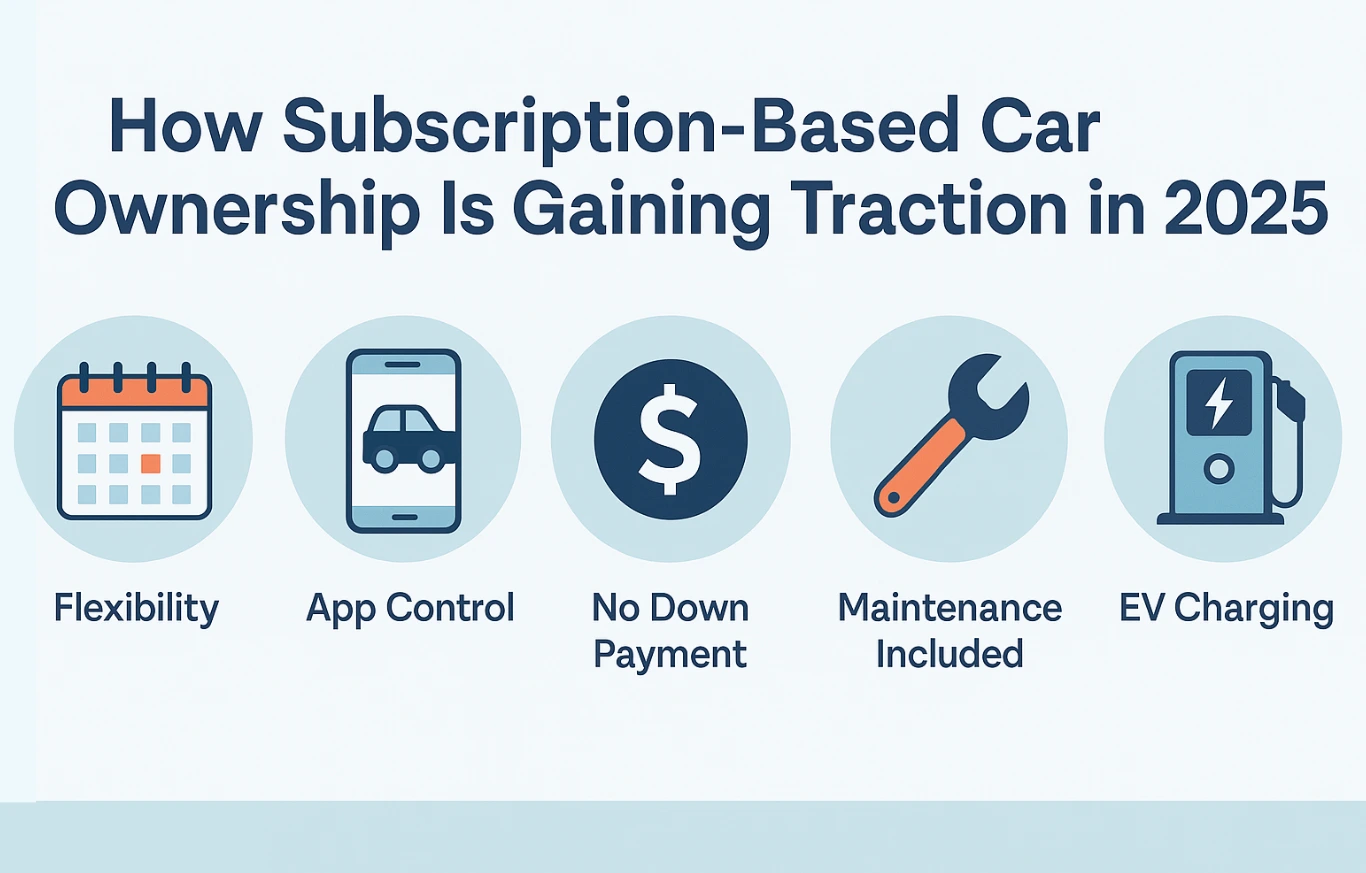
Why Is This Model Gaining Traction in 2025?
Several forces are driving the popularity of car subscription services in 2025:
-
Urbanization: As more Americans move to cities, owning a car becomes less practical due to parking limitations, traffic congestion, and high insurance costs.
-
Digital-first lifestyles: Today’s consumers value convenience and control. Subscription platforms are app-based and customer-friendly.
-
Financial unpredictability: Economic shifts have led people to avoid long-term debt. Monthly car subscription plans offer predictable, all-in-one pricing.
-
Sustainability goals: Subscribing allows easy access to the latest electric vehicles (EVs) and hybrids, without a substantial upfront cost.
These trends are reshaping what it means to “own” a car, making subscription-based car ownership more relevant than ever.
Benefits of Car Subscription Services
Let’s break down the significant benefits of car subscriptions and why more drivers are making the switch in 2025.
1. Flexibility and Convenience
With traditional car ownership, you're locked into one vehicle for years. However, subscription models enable you to change cars as your needs evolve. Need an SUV for a weekend road trip? Swap your compact car. Want to try an EV for a few months? Easy.
This level of flexible car ownership is perfect for people whose lifestyles or jobs require adaptability.
2. Lower Upfront Costs
Forget about down payments, registration fees, and negotiating dealership prices. Most monthly car subscription plans cover everything you need in one flat monthly fee. That means no unexpected repair bills or surprise expenses.
3. All-Inclusive Packages
Insurance? Covered. Maintenance? Included. Roadside assistance? Yep, that too.
This hassle-free approach simplifies car access, freeing up time and mental energy, a big win for busy professionals and families.
4. Access to Newer Models and EVs
Subscription services often give you access to new models, including cutting-edge electric vehicles. As automakers release more EVs in 2025, this model allows consumers to test drive the future without committing to a long-term purchase.
5. Perfect for Urban Dwellers and Travelers
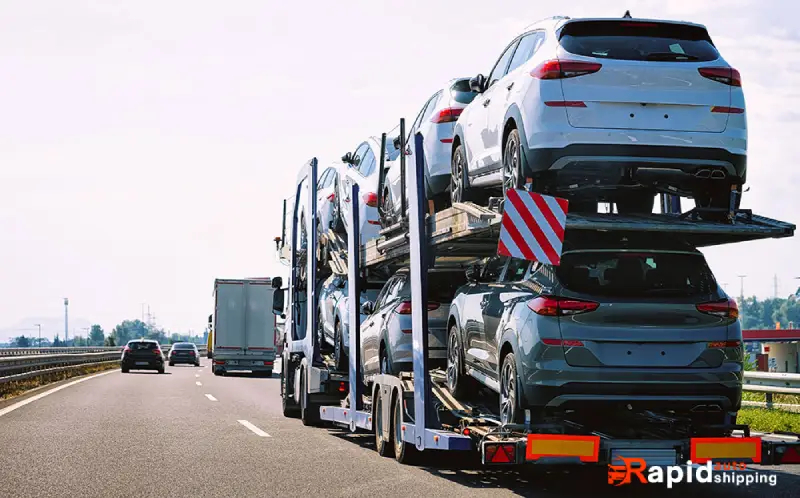
If you live in a major city like New York, Los Angeles, or Chicago, owning a car full-time might not make sense. A car subscription lets you use a vehicle only when you need it. Many services even include delivery and pickup, made possible by partnering with auto shipping companies.
6. Great for Businesses and Fleets
Subscription models are not just for individuals. Companies are now using them to manage employee mobility, offer benefits, or scale transportation needs on demand. It’s ideal for startups, temporary workforces, or remote teams.
7. No Depreciation Worries
Buying a car means watching its value drop the minute you drive off the lot. With a subscription, depreciation isn't your problem. Use the car while you need it, return it when you're done.

Subscription vs Leasing vs Buying: What’s the Difference?
|
Feature |
Subscription |
Leasing |
Buying |
|
Commitment |
Month-to-month |
2–3 years |
5–7 years |
|
Upfront Costs |
Low |
Moderate |
High |
|
Flexibility |
High |
Low |
None |
|
Vehicle Swap Option |
Yes |
No |
No |
|
Ownership |
No |
No |
Yes |
|
Maintenance/Insurance |
Included |
Not included |
Not included |
For many Americans, especially those who value flexibility and predictability, subscriptions are emerging as a smart middle ground between leasing and buying.
Are There Any Downsides?
While the benefits are substantial, there are some challenges to consider with car subscriptions:
-
Limited availability in rural areas or smaller cities
-
Mileage limits may apply
-
Higher monthly cost than leasing in some cases
-
Fewer customization options
It’s advisable to read the fine print, understand your driving habits, and compare offerings to find the best value for your needs.
The Road Ahead: Future Outlook
Experts predict that by 2026, car subscriptions will account for a significant portion of urban car access, particularly among young professionals and eco-conscious drivers. With EV adoption rising and mobility tech improving, subscription models are likely to integrate features like:
-
AI-based vehicle matching
-
Autonomous car access
-
Integrated travel subscriptions (car + scooter + transit)
As subscription services scale, reliable logistics will play a crucial role in ensuring the model operates seamlessly.
Final Thoughts
The way Americans think about car ownership is changing fast. With convenience, cost savings, and flexibility leading the charge, it’s easy to see why subscription-based car ownership is gaining traction in 2025.
If you’re ready to explore this modern way of driving, or if you’re a provider needing fast, safe vehicle delivery, Rapid Auto Shipping is here to help.
Ready to ship your subscription vehicle? Contact Rapid Auto Shipping today for fast, reliable, door-to-door auto transport!
Feb 2025
"I recently used Rapid Auto Shipping, and I am beyond impressed with their service! From the moment I requested a quote to the final delivery, everything was smooth and hassle-free."




Some Of Our Recent Blogs

Car shipping insurance is a coverage that safeguards your car against damages that could take place during transportation.
Rapid Auto Shipping is a reliable and affordable way to ship your car from New York to Florida.
As we approach 2025, the auto shipping sector is being revolutionized by technological innovation.