The Complete Used Car Buying Guide (Expert Tips & Checklist)


Purchasing a car is a significant financial decision, and in 2025, more Americans than ever are opting for pre-owned vehicles. With new car prices averaging over $47,000 (Kelley Blue Book), the used car market offers better affordability, variety, and value.
If you’re wondering how to buy a used car in 2025 without overpaying or falling for scams, this used car buying guide will walk you through the process step by step. From researching history reports to negotiating prices and securing financing, you’ll get step-by-step insights to make the smartest purchase possible.
Why Follow a Used Car Buying Guide in 2025?
The U.S. car market has undergone significant changes in recent years, making it more crucial than ever to have a clear strategy before purchasing a used vehicle.
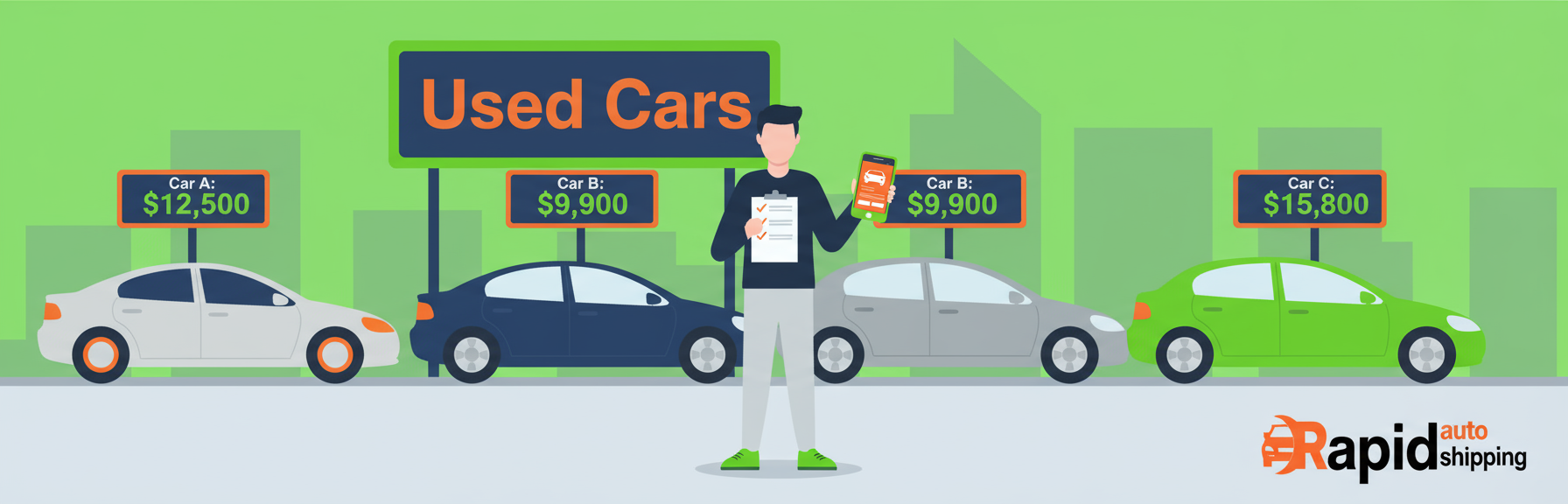
Here’s why a 2025 used car buying guide matters:
-
Depreciation savings: A new car loses 20–30% of its value in the first year, whereas a used car has already absorbed that loss.
-
Certified Pre-Owned (CPO) growth: More automakers now offer extended warranties and inspections for added peace of mind.
-
Market transparency: Online pricing tools, such as Edmunds, Kelley Blue Book, and Consumer Reports, give buyers leverage when negotiating.
-
Wider selection: Online marketplaces (Carvana, Vroom, Autotrader) make it easier to shop across states for better deals.
Simply put, 2025 is an ideal time to educate yourself and capitalize on the expanding used car market.
Things to Check Before Buying a Used Car
Before signing any paperwork, review this used car buying checklist to protect your wallet and ensure your safety.
Vehicle History Report
-
Use Carfax or AutoCheck to confirm that there are no hidden accidents, flood damage, or odometer fraud.
Mileage & Maintenance
-
Don’t just look for low-mileage review service records. A well-maintained 80,000-mile car may be more reliable than a poorly serviced 40,000-mile one.
Title Status
-
Avoid salvage or rebuilt titles unless you’re an expert willing to take risks. Stick to “clean” titles for maximum resale value.
Used Car Inspection Tips
-
Always have a trusted independent mechanic inspect the vehicle before making a purchase. Check fluids, suspension, brakes, and listen for unusual engine sounds during the test drive.
These checks may cost $100–$200 upfront, but can save thousands later.
Buying a Used Car from a Dealership vs Private Seller
You have three best ways to buy a used car in the US in 2025:
-
Dealerships: Offer financing, warranties, and CPO vehicles. Expect higher prices but more protections.
-
Private Sellers: Often cheaper but come with greater risk. Buyers handle paperwork, inspections, and negotiations directly.
-
Online marketplaces: Platforms like Carvana, Vroom, Autotrader, and even Facebook Marketplace, enable nationwide browsing with home delivery options.
Pro tip: Compare all three sources for a more comprehensive understanding. Many experts recommend starting with online research, then narrowing down options at dealerships or private sellers.
Certified Pre-Owned vs Used Cars
One of the top questions buyers ask: Is it worth paying more for Certified Pre-Owned (CPO)?
Certified Pre-Owned (CPO):
-
Backed by the manufacturer's or dealer's warranty.
-
Undergoes multi-point inspections.
-
Higher resale value.
-
Costs 5–15% more than standard used cars.
Regular Used Cars:
-
Cheaper upfront.
-
No guaranteed inspection or warranty.
-
The condition depends entirely on the seller.
If you want maximum peace of mind, a CPO vehicle is worth the premium. But if you’re experienced and willing to do your own inspection, a non-CPO car could save you thousands.
Negotiating a Used Car Price
Negotiation is often where buyers save the most money or lose it. Follow these tips for buying a used car in 2025:
-
Check Fair Market Value: Use Kelley Blue Book or Edmunds to see the average selling price in your area.
-
Bring Leverage: Mention inspection issues (like worn brakes) to justify a lower offer.
-
Don’t Reveal Budget Too Soon: Let the seller make the first price move.
-
Be Willing to Walk Away: Many buyers secure discounts simply by showing they have other options.
According to Consumer Reports, buyers save an average of $1,200 when they negotiate instead of accepting the sticker price.
Financing a Used Car in 2025
Financing is often overlooked, but the loan you choose can make or break the deal.
-
Get Pre-Approved: Apply at your bank or credit union before shopping. This gives you leverage and sets a budget.
-
Compare Rates: Used car loans may have higher interest rates than new car loans, but credit unions typically offer the lowest rates.
-
Check Term Lengths: Longer loans may reduce monthly payments, but they increase the total interest.
Tip: Opt for a loan term of 48–60 months to strike a balance between affordability and interest costs.
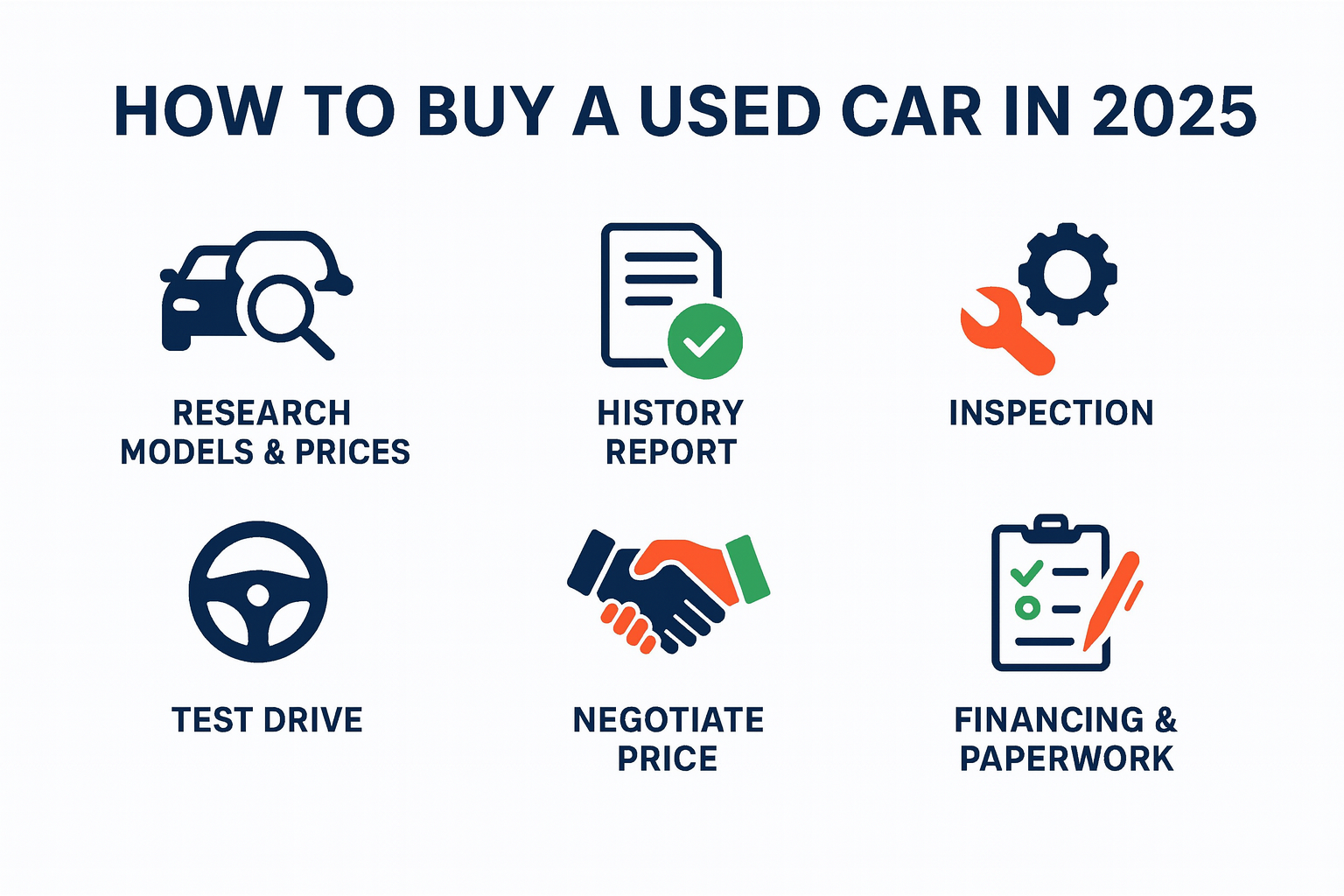
The Ultimate Used Car Buying Checklist (2025 Edition)
Before finalizing your purchase, go through this quick checklist:
-
Driver’s license, proof of insurance, and income documents.
-
Vehicle history report (Carfax, AutoCheck).
-
Independent mechanic’s inspection.
-
Test drive: check brakes, steering, acceleration, and comfort.
-
VIN matches the title, registration, and car itself.
-
Review financing terms, warranty, and return policy.
Following this checklist ensures you leave the lot with confidence, rather than regrets.
Conclusion: Your Roadmap to Smart Buying
Buying a used car in 2025 is one of the most intelligent financial decisions for U.S. drivers, provided it is done correctly. This used car buying guide 2025 has covered everything from history reports and inspections to financing, negotiations, and CPO comparisons.
The key takeaway? Do your research, follow a clear checklist, and never rush the process.
Now that you know how to buy a used car in 2025 the smart way, use this checklist to secure the best deal, whether you’re buying from a dealership, a private seller, or an online marketplace. With the right strategy, you’ll save thousands, avoid hidden risks, and drive home with a car that fits your lifestyle and budget.
Feb 2025
"I recently used Rapid Auto Shipping, and I am beyond impressed with their service! From the moment I requested a quote to the final delivery, everything was smooth and hassle-free."



Some Of Our Recent Blogs

Car shipping insurance is a coverage that safeguards your car against damages that could take place during transportation.

Rapid Auto Shipping is a reliable and affordable way to ship your car from New York to Florida.
As we approach 2025, the auto shipping sector is being revolutionized by technological innovation.